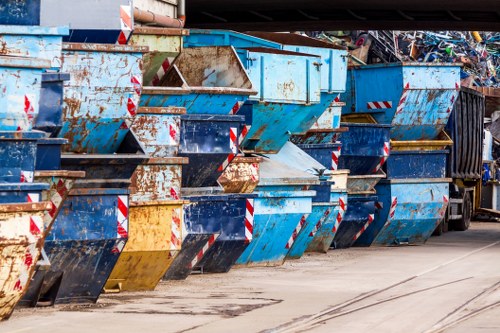
 House Clearance Shoreditch Health & Safety Policy
This Health and Safety policy sets out the commitment of the house clearance team to maintain safe, compliant and professional house clearance Shoreditch operations and rubbish removal services across our service area. The policy applies to all staff, contractors and visitors and covers the collection, handling, transportation and disposal of general household waste, bulky refuse and estate clearances. It explains responsibilities, risk controls and routine procedures that underpin safe delivery of house clearance and rubbish removal Shoreditch work.
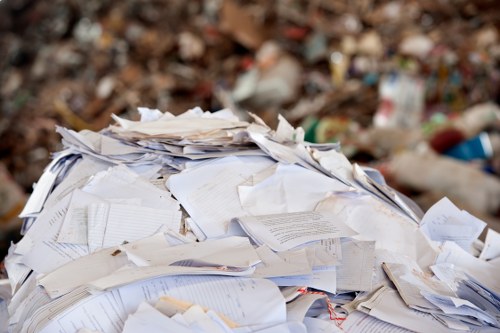 Scope and purpose: the aim is to reduce risk of injury, ill health and environmental harm during house clearance activities. This includes manual handling of furniture, management of sharps and hazardous items, safe use of vehicles and equipment, secure storage of waste prior to disposal and strict segregation for recycling and hazardous streams. The policy supports operational planning, customer safety and compliance with waste management requirements across our wider rubbish collection and clearance service area.
Responsibilities and organisation
The company management holds overall responsibility for maintaining a safe work environment and ensuring that clear procedures exist for house clearances, rubbish collection and on-site operations. Supervisors are responsible for site-specific risk assessments and for ensuring staff follow safe systems of work. All employees must:- Follow training and instructions for safe handling, PPE and vehicle operations;
- Report hazards, near misses and incidents promptly;
- Use provided PPE correctly and participate in toolbox talks and welfare briefings;
- Avoid actions that put themselves, colleagues or the public at risk during rubbish removal and house clearance tasks.

Risk assessment and method statements
Before any clearance, a documented risk assessment and method statement are prepared. These identify physical hazards (trip, slip, manual handling), biological risks (mould, animal waste), chemical and fire risks (solvents, gas bottles), and sharps or asbestos concerns. Control measures include: pre-shift briefings, two-person handling for bulky items, mechanical aids (trolleys and lifting equipment), segregation of hazardous materials and pre-arranged disposal routes through authorised facilities.Personal protective equipment is mandatory for all operatives on duty. Standard issue includes gloves, high-visibility clothing, protective footwear, eye protection and dust masks when appropriate. Specific tasks may require additional items such as respiratory protection, cut-resistant gloves or disposable coveralls. All PPE is inspected daily, replaced when worn or damaged and records are kept of issuance and training.
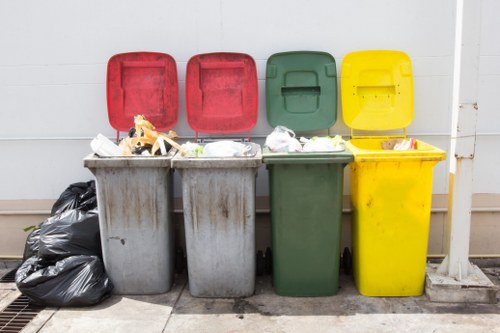 Manual handling, lifting and vehicle safety: manual handling procedures are applied to minimise musculoskeletal injury. Staff are trained in safe lifting techniques, use of trolleys and winches, and in planning lifts for awkward items. Vehicles and trailers used for rubbish removal and house clearance operations are checked daily for roadworthiness, secure load restraint systems are used at all times and drivers conform to safe loading limits and legal requirements for transportation of waste.
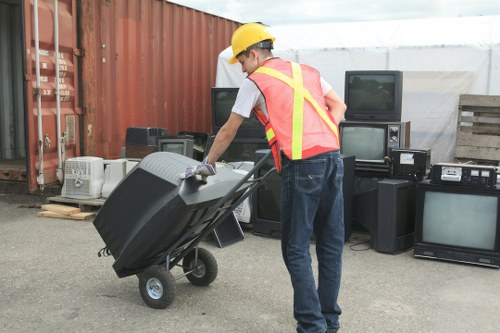 Hazardous waste and controlled items: hazardous wastes (paints, batteries, oils, chemicals, asbestos-containing materials) are identified, segregated and handled only by trained personnel with appropriate permits and containment. Sharp objects and contaminated materials are double-bagged and labelled. Any suspected asbestos is reported immediately and work paused; only licensed contractors undertake asbestos removal in line with statutory requirements. The company maintains clear procedures for disposal of controlled items and communicates these to all staff working on clearances.
Training, supervision and competence
The business provides initial and refresher training covering risk assessment, manual handling, hazardous material awareness, infection control, vehicle loading and emergency response. Supervisors carry out regular competence assessments and practical observations, and training records are maintained. New operatives receive induction including company policy, emergency procedures and first aid arrangements.Incident reporting, first aid and emergency procedures
All incidents, injuries and near misses are recorded and investigated to prevent recurrence. First aid boxes are available on-site and in vehicles; trained first aiders are assigned per shift. Emergency response plans include evacuation routes, contact with emergency services and secure cordoning of contaminated areas. Where environmental release or pollution occurs, immediate containment measures are taken and regulators notified where required.Monitoring, review and continual improvement: the policy is reviewed annually or after any serious incident, change in operations or legislation. Routine audits, vehicle and equipment checks, and performance monitoring ensure compliance. Feedback from staff and clients informs improvements in safe work procedures, and documented corrective actions are implemented to enhance safety during rubbish removals and house clearances across the service area.
Contractors and third-party services: all subcontractors engaged for disposal, specialist removal or cleaning are required to demonstrate equivalent health and safety standards, insurance and appropriate licences. Contracts specify responsibilities for site safety, segregation of waste streams and documentation for transfer of waste to authorised facilities.
By adhering to this policy, the house clearance team ensures that safe, reliable and environmentally responsible clearances are delivered for customers and communities. The organisation promotes a culture where safety is a core value and everyone is empowered to stop work if they perceive an unacceptable risk. This statement is supported by management and communicated to all personnel involved in house clearance and rubbish removal activities.
Review: this policy will be reviewed, updated and communicated regularly to reflect operational changes or legislative developments, with the objective of continual improvement and protection of staff, clients and the public during house clearance operations.